Best Pet Fish for Kids: Give the Tank at Christmas, Pick the Fish in January
Last reviewed · By Manel Vadillo

Every December a lot of kids unwrap a fish, and a lot of those fish are dead by New Year. The tank isn't the problem. Fish go into water that isn't ready for them. So put the tank under the tree, let it cycle for a month or so, and take your kid to pick the fish once it's ready.
Quick answer
The best pet fish for kids are a single betta in a heated 5+ gallon tank, a school of neon tetras or zebra danios, guppies, small corydoras and cherry shrimp. Skip comet goldfish, common plecos and angelfish in a starter tank. For Christmas, give the tank, cycle it 4 to 6 weeks, then add fish in late January or early February.
Why the fish shouldn’t arrive on Christmas morning
A new tank has no bacteria to break down fish waste. Fish make ammonia from day one, and in fresh water it builds up with nothing to remove it. Dr. Tim’s Aquatics puts the natural cycle at 30 to 45 days 1. Aquarium Science says the bacteria usually take 4 to 6 weeks to grow, and anywhere from 2 to 8 2.
So the fish you buy on December 24 go into a tank that won’t be safe until late January. That’s the usual story behind fish dying in a new tank. Without fish in it you can run a fishless cycle: you add ammonia yourself and wait for the bacteria to catch up. Nothing suffers while you wait. How long cycling takes has the full timeline.
There’s a second reason to wait. A fish that shows up in a box is a surprise. A fish your kid picked at the store is theirs.
The Christmas-to-February calendar
Dates assume you unwrap on December 25 and start cycling the next day. Shift everything if you start earlier.
| When | What the adult does | What the kid does |
|---|---|---|
| Before Dec 25 | Buy the tank, filter, heater, thermometer, dechlorinator, an ammonia source and a liquid test kit. Decide on the tank size first (see the table below) | Nothing yet. Keep it a surprise |
| Dec 25 | Wrap the tank. Add a homemade “fish ticket” the kid trades in when the tank is ready | Unwraps it, picks gravel color and decorations |
| Dec 26 to 27 | Set up, fill, dechlorinate, start the filter and heater. Add the first ammonia dose (dose calculator) | Watches, rinses decorations with you if 5 or older, checks the thermometer |
| Weeks 1 to 3 | Test ammonia and nitrite every 2 to 3 days, as Dr. Tim’s suggests 1. Re-dose as our fishless cycle guide says | Writes each result on a chart on the fridge and colors in the day |
| Weeks 4 to 6 (about Jan 23 to Feb 6) | Watch for the finish line: a full ammonia dose gone to nitrate overnight, with no nitrite 1. Our cycled-tank checklist walks through it | Keeps logging. This is the boring part, so make the chart a countdown |
| Fish day | Do a big water change to bring nitrate down, then go to the store together | Trades the ticket and picks the fish from your shortlist |
| First 2 weeks with fish | Add only part of the stock, acclimate them and feed lightly | Feeds the pre-measured pinch, counts fish every morning |
Bottled bacteria can shorten this. Dr. Tim’s says its own bacteria plus ammonia usually cycle a tank in under two weeks 1. It sells that product, so treat the figure as the maker’s claim. Test before you buy fish either way.
Starting before Christmas
If you’re reading this in late November, you have a head start option. Set the tank up now in a spare room and start the cycle. Four to six weeks from late November lands right around Christmas or the first week of January 2. The kid still unwraps a tank and still picks the fish, but fish day comes a few weeks sooner. Don’t promise a date. Some cycles run long, and Aquarium Science’s range goes out to 8 weeks 2.
Best pet fish for kids: yes and no
Most lists give a species and one tank size and stop there. In a kids’ tank you also want to know about the heater, and what goes wrong when the fish grows.
| Fish | Tank it needs | Heater? | Verdict | Why |
|---|---|---|---|---|
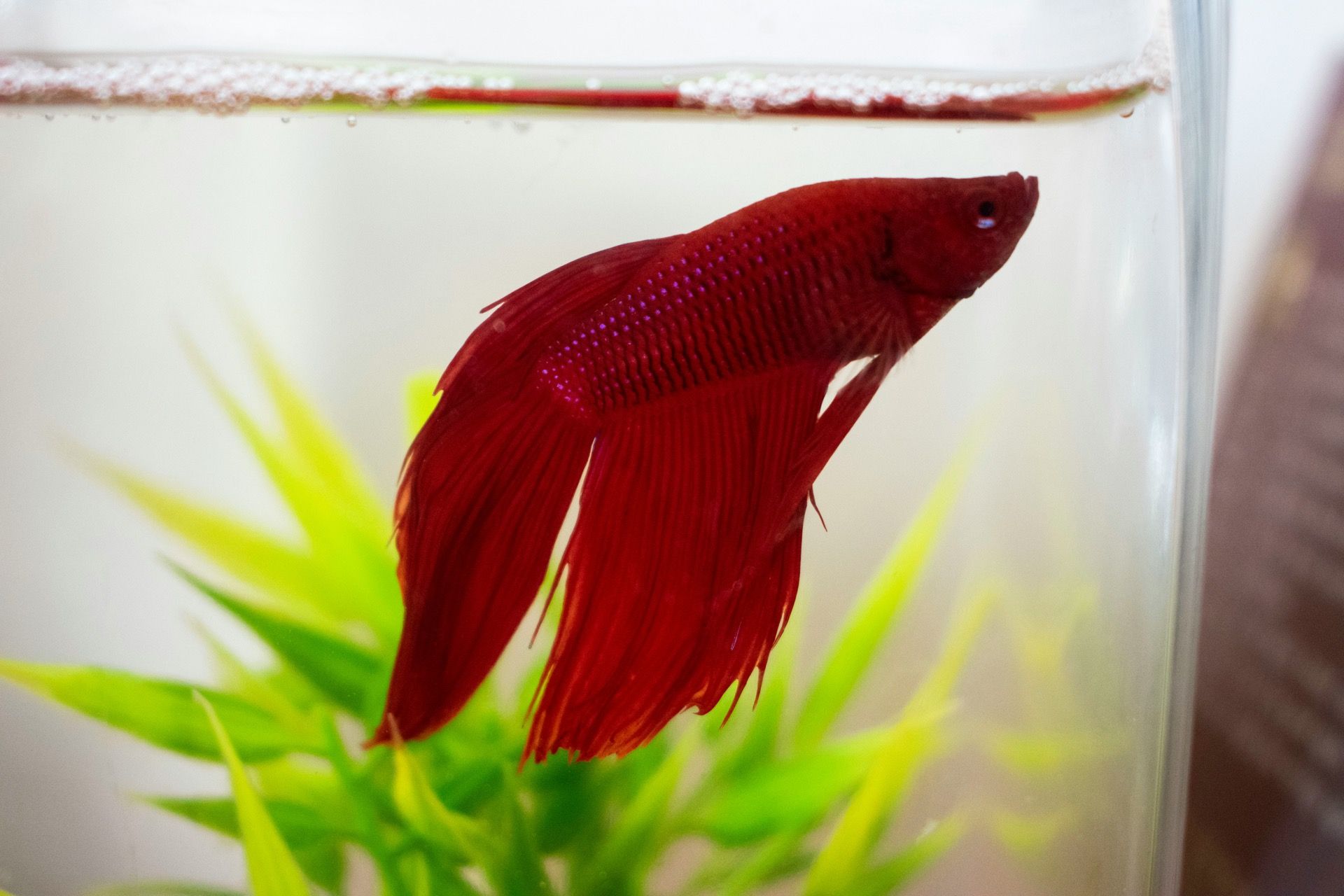
| Betta | 5 gal (19 L) or more, one male alone 10 | Yes | Yes | One fish with a lot of personality. Easy for a kid to name and recognize. Lives 3 to 5 years 6 |
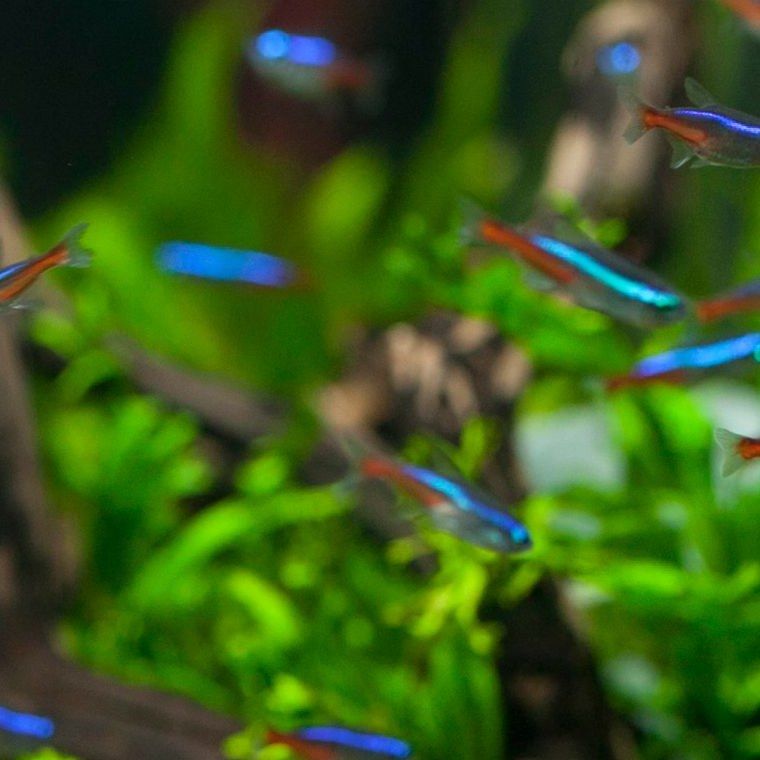
| Neon tetras | Group of 8 to 10, tank at least 24 × 12 in, about 14 gal 11 | Yes | Yes, in a 20 gal | Bright, calm, always visible. Not for a 5 or 10 gal tank |
| Guppies | 10 gal (38 L) or more 6 | Yes | Yes | Colorful and active. Mixed sexes breed fast. We’d start with males only |
| Zebra danios | 8 to 10 in a long tank such as a 20 long 7 | Chewy lists them for unheated tanks 7 | Yes, in a 20 long | Fast and tough. Chewy calls them prolific breeders and very inexpensive 7 |
| Corydoras | Six or more. 10 gal for dwarf species, 20 or more for the rest 13 | Usually | Yes, as a second group | Kids like watching them sift the sand. Feed sinking food |
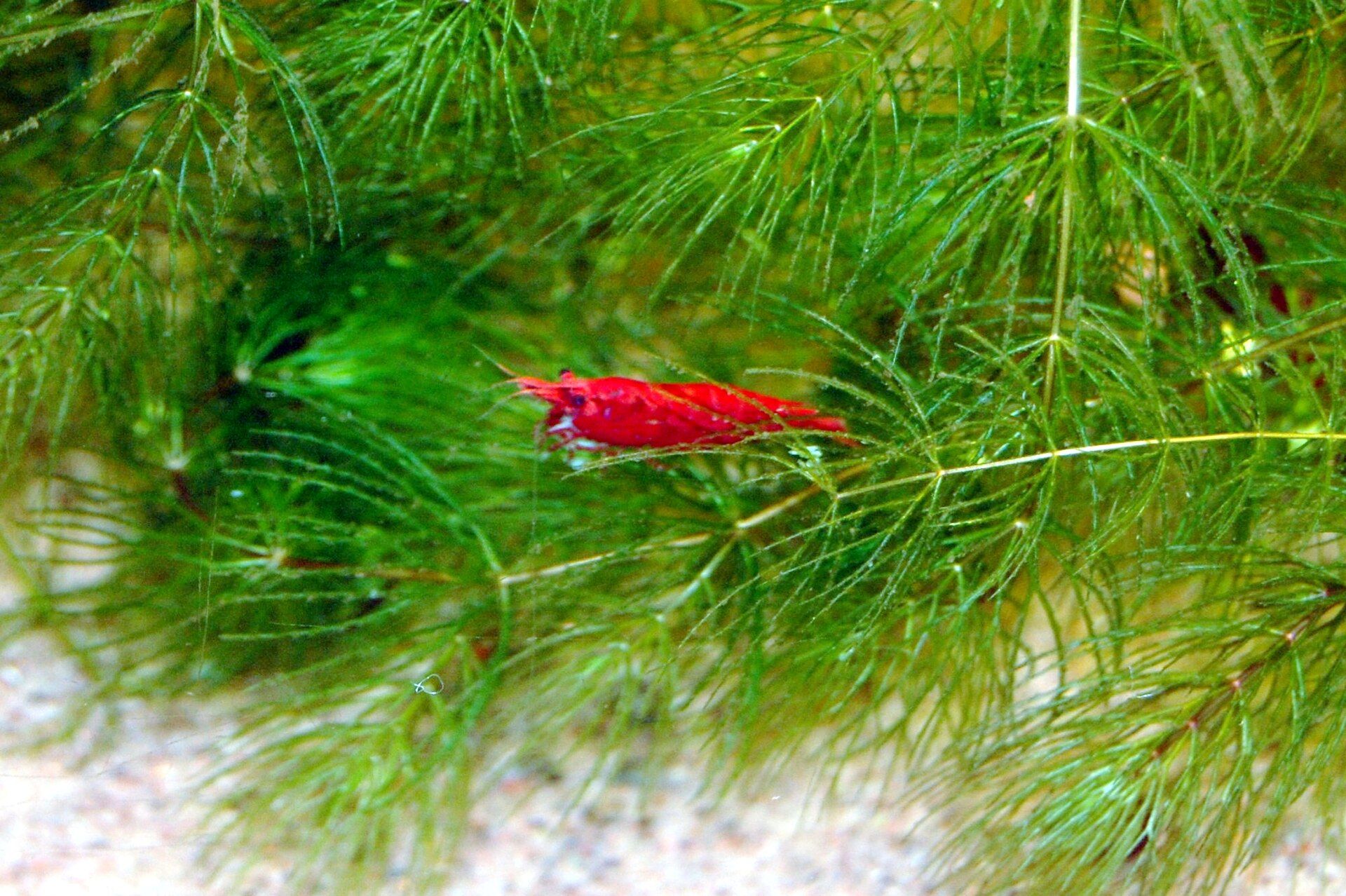
| Cherry shrimp | Co-Op prefers 10 gal or more for a colony, at least 10 shrimp 12 | Often not: 60 to 82 °F (16 to 28 °C) 12 | Yes, alone or with tiny fish | Fun to watch up close. Most fish eat baby shrimp |
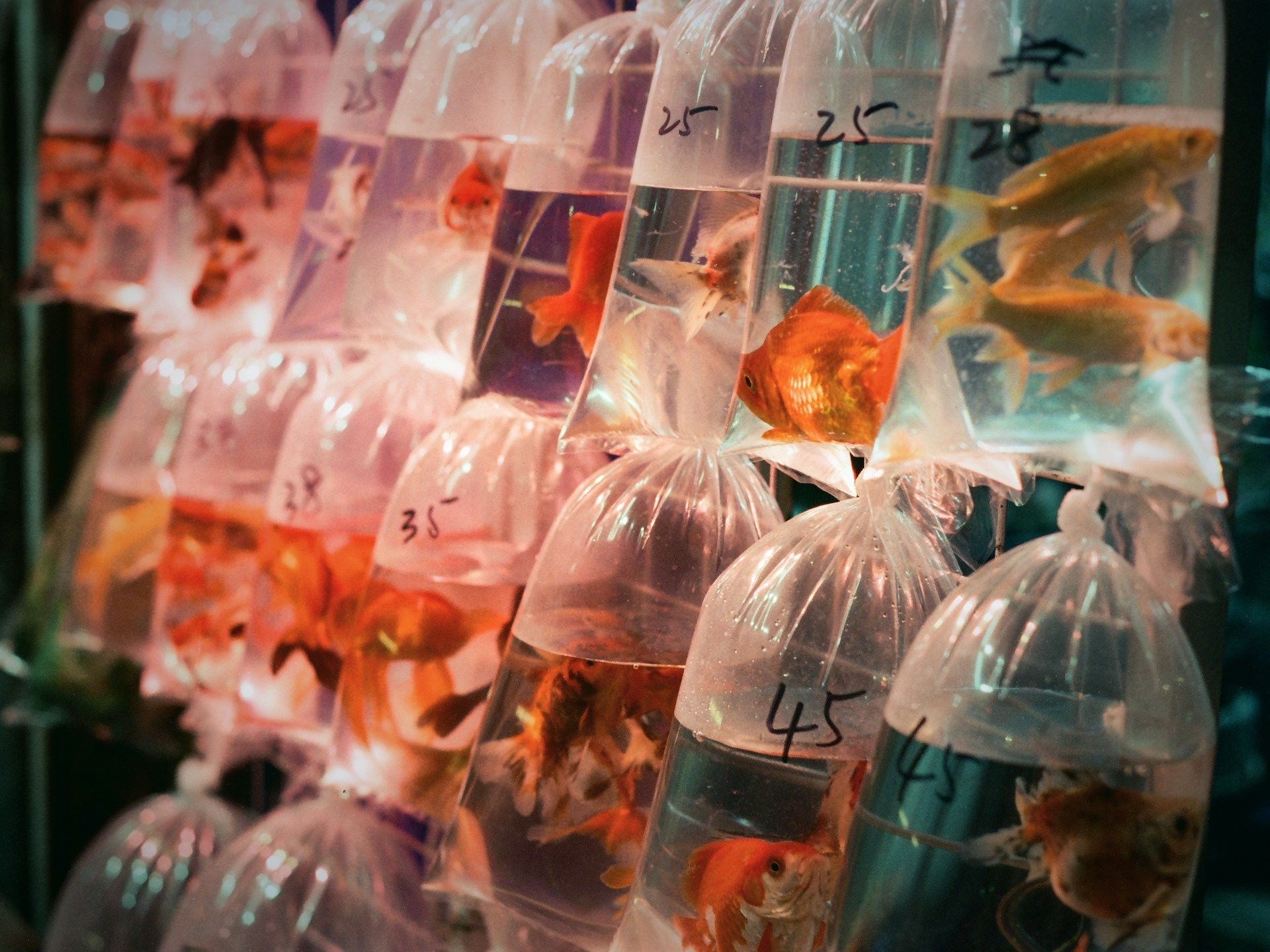
| Comet or common goldfish | At least 20 gal (76 L) per adult fish 8 | No | No | Typically grows to 4.7 to 8.7 in 9. Averages 10 to 15 years 16, and Aqueon says over 20 with good care 8. Not a starter-tank fish |
| Common pleco | About 2 ft (61 cm) as an adult 14 | Yes | No | Sold small as an “algae eater”. Outgrows any tank a kid gets |
| Angelfish | At least 53 gal, 20 in tall 15 | Yes | Not in a starter tank | Grows tall, and adults may eat small fish such as tetras 15 |
| Axolotl | A cold-water tank of its own | No, it needs cooling | No | An amphibian, not a fish. Check your state’s rules first; our axolotl guide has the setup |
Platies and swordtails didn’t make our table only because we found no tank size we trust for them. Chewy calls them the easiest livebearers to keep 7, so ask the store and treat them like guppies: a heated tank of 10 gallons or more, and males only if you don’t want babies.
Best fish for kids in a small tank
A 5 gallon tank has room for one betta, or for cherry shrimp. That’s about it. In a 10 gallon you can keep a betta, a small group of male guppies, or dwarf corydoras. Neon tetras, danios and regular corydoras need a 20. If you’re choosing the gift now, a 20 gallon gives your kid more options in January than a 10, and a bigger tank is also more stable. The 10 and 20 gallon stocking guide has numbers for both.
We disagree with two of the big lists here. PetMD says a 5 gallon tank can “easily” hold five to eight neon tetras 6. Seriously Fish gives a 24 by 12 inch footprint for a group of 8 to 10 11, which works out to about 14 gallons. Chewy says a lone betta “can do well in a 2 gallon aquarium” 7. The University of Illinois College of Veterinary Medicine says 5 gallons or more 10, and so does PetMD’s kids list 6. Go with 5. A smaller tank swings in temperature and fouls faster, which is the last thing a kid’s first fish needs.
Fish to skip, even when the store says “easy”
Comet goldfish. PetMD’s list puts goldfish second, names the “long-bodied comet goldfish” among the varieties, and recommends long-bodied goldfish for kids over fancy types because they tolerate water problems better 6. That part is true. They’re tough. The problem is size. PetMD itself asks for at least 20 gallons per goldfish and warns they can live 20 years or more 6. Aqueon also says 20 gallons per adult comet 8. USGS puts the typical adult at 4.7 to 8.7 inches long 9.
So a comet only works if you’re buying a 20 gallon tank just for it and you’re fine with a fish that may still be around when your kid leaves for college. Most kids’ gift tanks are 5 or 10 gallons. A comet in one of those is the fish PetMD warns about at the top of its goldfish section: kept in tanks “much too small”, which leads to frequent illness and death 6. Our goldfish care guide covers the setup if you do want one.
Common plecos. Chewy’s list includes plecostomus and mentions store plecos at about $5 7. Aquarium Science says the common pleco reaches two feet over several years 14. Unless you plan to buy a much bigger tank later, skip it.
Angelfish. Chewy calls them great beginner fish and also warns that adults eat small fish like neon tetras 7. Seriously Fish’s minimum is a tank of at least 53 gallons, 20 inches tall 15. Great fish, wrong first tank.
Anything in a bowl. PetMD’s line is short: “Never keep any fish in a bowl or vase” 6. Kids’ kits that are basically a bowl with a lid and a light count too.
What a kid can do, by age
None of the health bodies publish a fish chore chart, so the table below is our own suggestion. It’s built around three things they do say. The CDC says children under 5 shouldn’t clean or handle aquarium items, and that kids that age get sicker from germs fish can carry 3. The AAP says kids roughly 5 and older can help with simple pet chores, though you’ll do most of the work 4. And AACAP says parents have to oversee pet care even when they think the child is old enough 5.
| Age | The kid can | The adult keeps |
|---|---|---|
| Under 5 | Watch, count the fish, name them, tell you if one looks odd. Hands stay out of the tank 3 | All feeding, cleaning and testing |
| 5 to 7 | Drop in a pinch of food you’ve measured out. Help pick fish and decorations. Check the thermometer | Water changes, testing, the ammonia during cycling |
| 8 to 10 | Feed on their own with a daily checkbox. Write test results on the chart. Carry the clean bucket | Mixing test chemicals, siphoning, anything electrical |
| 11 to 12 | Run the test kit with you watching. Help with the weekly water change. Wipe the glass | Final check of water quality and heater |
| 13 and up | Most of the weekly routine, with you still overseeing it 5 | Vet decisions, equipment, the budget |
A few habits make this work. Pre-measure food in a small pill box with one compartment per day, so an excited kid can’t dump in half the can. Overfeeding is the easiest way for a kid to hurt fish, and how often to feed fish has the portions. Put the chart next to the tank, not in an app. And make hand washing part of the routine. The CDC says to wash with soap and running water after feeding, after touching anything in the tank and after cleaning it 3.
Hygiene rules worth writing on the chart
The CDC’s list is short and easy for kids to follow 3:
- Wash hands before and after touching the fish or their stuff, and after feeding.
- Kids under 5 don’t touch tank water, rocks or decorations.
- Dump old tank water in a bathtub, a laundry sink or outside, not the kitchen sink.
- Wear gloves for cleaning, especially with a cut on your hand.
Before you buy the gift
Pick the tank size from the fish your kid is most likely to want, not the other way around. If they love bettas, a heated 5 or 10 gallon works. If they want “lots of fish”, get a 20. The freshwater aquarium setup guide has the full gear list, and heater sizing covers the one piece people tend to buy too small.
Plan for the dull months. AACAP’s advice is blunt: if a child gets lax, the parents may have to take over the care 5. Decide now that you’re fine with that. If the fish ever need a new home, the CDC says never to release them outdoors. Give them to another hobbyist, a school or a local aquarium instead 3.
FAQ
What is the best first fish for a child? A single betta in a heated tank of 5 gallons or more 10. It’s one fish and it’s easy to recognize. If your kid wants a group, neon tetras or zebra danios in a 20 gallon.
What is the most low-maintenance pet fish? None are no-maintenance. PetMD says fish need as much care and time as a cat or dog 6. A betta alone in a cycled, heated tank is about the least work you’ll find: daily feeding and a weekly partial water change.
Is a goldfish a good first pet for a kid? Only with a big tank. Single-tail goldfish need at least 20 gallons each as adults 8 and average 10 to 15 years 16. PetMD says goldfish kept in tanks that are too small get sick often and die 6.
What is the best pet fish for a 5 year old? A betta or a small school in a tank you look after. At 5, the AAP says kids can help with simple chores 4. In practice that means the pre-measured pinch of food and counting the fish. Under 5, the CDC says no hands in the tank 3.
What about a toddler? Under 5, the CDC says kids shouldn’t clean or handle aquarium items 3. Let them watch, count and name the fish while you do the rest.
What is the friendliest pet fish for a kid? Usually a betta: one bright fish, alone in its tank, that’s easy for a kid to recognize and name. Schooling fish like neon tetras are peaceful too, but a kid can’t tell them apart.
Can I put fish in a tank the same day I set it up? You can, but it’s how most new fish die. The bacteria that clear ammonia take about 30 to 45 days to grow on their own 1. Do a fishless cycle first.
What if a fish dies? It happens, even in good tanks. AACAP notes that pets teach kids about illness and death too 5. Before replacing it, test the water and read why fish die in new tanks, so the next one doesn’t go the same way.
All the numbers, with sources
| What | Value | Type | Source |
|---|---|---|---|
| Time for a new tank to cycle on its own, Dr. Tim's Aquatics | 30 to 45 days | Stated by source | [1] |
| Time to grow the bacteria, aquariumscience.org | Usually 4 to 6 weeks (range 2 to 8) | Stated by source | [2] |
| CDC: kids who shouldn't clean or handle aquarium items | Under 5 years old | Stated by source | [3] |
| AAP: age when kids can help with simple pet chores | Roughly 5 or older | Stated by source | [4] |
| Comet and common goldfish, water per adult fish (Aqueon) | At least 20 gal (76 L) | Stated by source | [8] |
| Goldfish typical size, USGS | 4.7 to 8.7 in (120 to 220 mm) standard length; max 16 in (410 mm) | Stated by source | [9] |
| Goldfish lifespan, RSPCA Australia | About 10 to 15 years on average | Stated by source | [16] |
| Goldfish lifespan, Aqueon | Over 20 years with proper care | Stated by source | [8] |
| Betta tank, University of Illinois College of Veterinary Medicine | 5 gal (19 L) or larger | Stated by source | [10] |
| Betta lifespan, PetMD | 3 to 5 years | Stated by source | [6] |
| Neon tetra group and tank, Seriously Fish | 8 to 10 fish; tank at least 24 × 12 in (about 14 gal) | Stated by source | [11] |
| Guppies, minimum tank, PetMD | 10 gal (38 L) | Stated by source | [6] |
| Zebra danios, Chewy | 8 to 10 in a long tank such as a 20 long | Stated by source | [7] |
| Common pleco adult size, Aquarium Science | About 2 ft (61 cm) | Stated by source | [14] |
| Cycling with Dr. Tim's bacteria and ammonia (maker's claim) | Usually under 2 weeks | Stated by source | [1] |
| Corydoras group and tank, Aquarium Co-Op | 6 or more; 10 gal for dwarf species, 20+ gal for others | Stated by source | [13] |
| Cherry shrimp temperature, Aquarium Co-Op | 60 to 82 °F (16 to 28 °C) | Stated by source | [12] |
| Angelfish tank, Seriously Fish | At least 53 gal, 20 in tall | Stated by source | [15] |
Sources
- Dr. Tim's Aquatics (sells nitrifying bacteria and ammonia) (n.d.). Fishless Cycling
- Aquarium Science (aquariumscience.org) (2019). 1.1.2. A Simple Way to Cycle
- Centers for Disease Control and Prevention (CDC) (2024). Fish (Healthy Pets, Healthy People)
- HealthyChildren.org, American Academy of Pediatrics (Laura Marusinec, MD, FAAP) (2026). How old should our children be before we adopt a pet?
- American Academy of Child and Adolescent Psychiatry (AACAP) (2026). Pets And Children (Facts for Families No. 75)
- PetMD (Jessie Sanders, DVM, DABVP Fish Practice) (2023). 5 Best Pet Fish for Kids
- Chewy (Chewy Editors and John Virata; pet retailer) (2026). Best Pet Fish For Children
- Aqueon (aquarium equipment maker) (n.d.). Goldfish Care Guide
- USGS Nonindigenous Aquatic Species Database (n.d.). Goldfish (Carassius auratus) Species Profile
- University of Illinois College of Veterinary Medicine (n.d.). Your Betta Needs More Than a Bowl
- Seriously Fish (n.d.). Paracheirodon innesi (Neon Tetra)
- Aquarium Co-Op (fish and aquarium products retailer) (n.d.). Care Guide for Cherry Shrimp: Tank Setup, Food, and Breeding
- Aquarium Co-Op (fish and aquarium products retailer) (n.d.). Care Guide for Cory Catfish: The Perfect Community Bottom Dweller
- Aquarium Science (aquariumscience.org) (n.d.). 16.2.4. Algae Eaters
- Seriously Fish (n.d.). Pterophyllum scalare (Angelfish)
- RSPCA Australia Knowledgebase (n.d.). How should I care for my goldfish?