Betta Tank Mates: What Can Live With a Betta (and What Can't)
Last reviewed · By Manel Vadillo
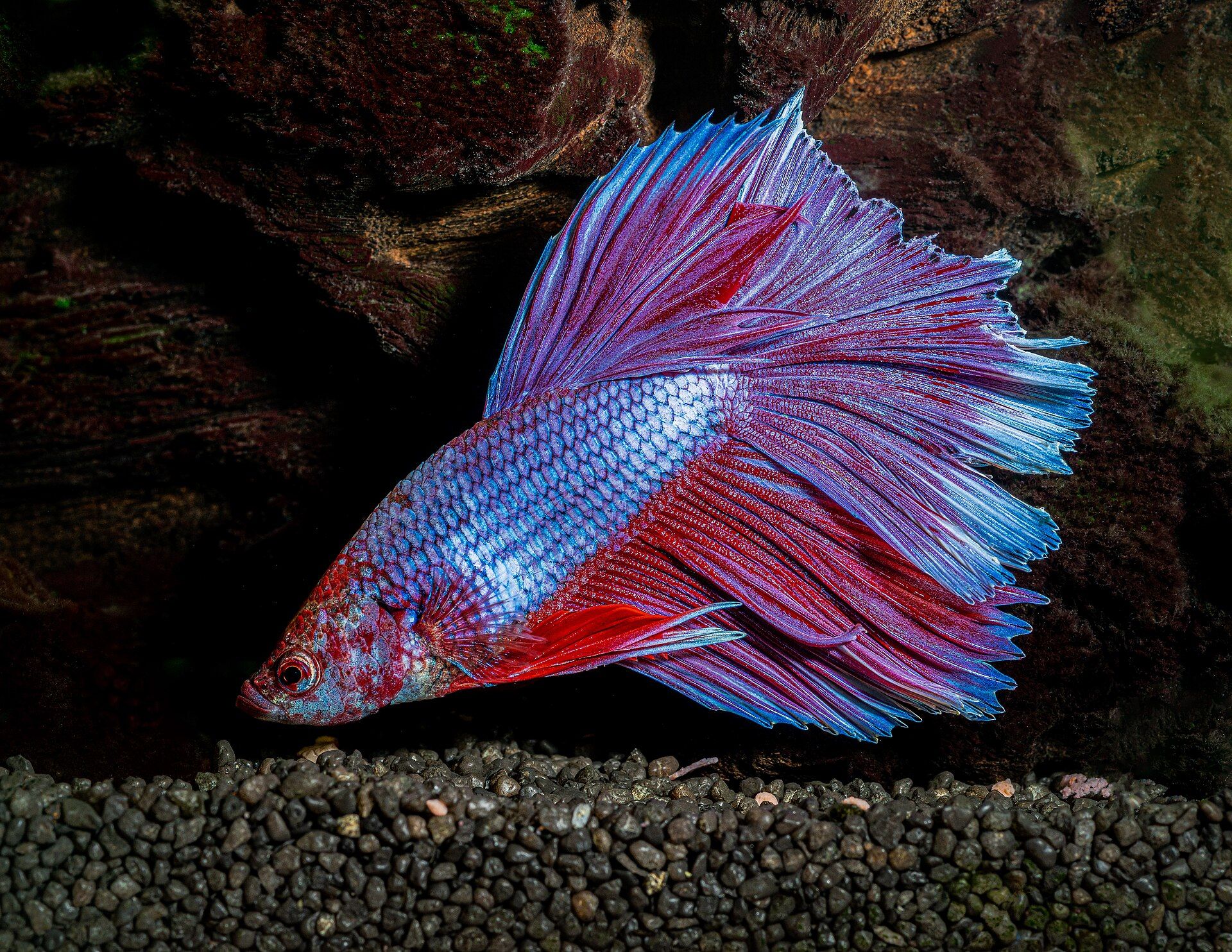
Plenty of bettas live alone and do fine. Some share a tank with a school of small fish for years. You can't tell which kind you have until you try, so build the tank for the experiment and keep a way out.
Quick answer
Use at least 10 gallons, preferably 15 or more, with heavy planting. The best bets are bottom dwellers and small, calm schoolers: kuhli loaches, corydoras, ember tetras, harlequin rasboras and snails without long antennae. Skip fin-nippers, fancy-tailed fish and anything that looks like a rival. A betta's temperament decides, so keep a spare tank ready.
Can a betta live with other fish at all?
Sometimes. Seriously Fish doesn’t recommend the betta for a standard community tank and says it’s best kept alone. Some individuals tolerate other species, it adds, but that’s the exception. It names some small cyprinids and loaches from similar habitats as suitable, with research first, and says to avoid fish with unusual body shapes or trailing fins, which a male may take for rivals 1. A University of Illinois vet says a betta can share with snails, ghost shrimp, certain other fish and African dwarf frogs, provided the tank is bigger and the filtration stronger 4. PetMD lists possible mates “depending on size and temperament” 5.
So it’s a bet, not a recipe. FishLore member Jacquilynn put it plainly: some bettas do well with anything, and some can’t even have snails 12. Treat every tank mate as a trial. If you’d rather skip the gamble, our betta care guide covers a single fish in a good tank.
Check the tank before you pick the fish
Size. Aqueon asks for 15 gallons or more for a betta community 3. Aquarium Co-Op says 10 to 20 gallons with plenty of cover and live plants, or the betta may turn overly territorial 2. PetMD, for a single betta, calls 5 to 10 gallons ideal and 2.5 the minimum 5. A 5 gallon is a betta tank, not a community tank. Our stocking guide has the floor-space checks for the schooling fish below.
Heat. This is where lists go wrong. A betta wants 76 to 81 °F 4. A tank mate has to be comfortable in that band. Here’s how the common picks overlap:
| Tank mate | Its range | Overlap with a betta | Source |
|---|---|---|---|
| Ember tetra | 68–82 °F | All of it | 7 |
| Harlequin rasbora | 70–82 °F | All of it | 9 |
| Kuhli loach | 70–79 °F | 76–79 °F | 8 |
| Pygmy cory | 72–79 °F | 76–79 °F | 6 |
| Neon tetra | 70–77 °F | 76–77 °F | 10 |
The overlap column is our arithmetic from the two ranges. Around 77 or 78 °F works for the first four. The neon is the odd one out.
Group size and floor space. Most of these fish are schoolers, and the guides disagree on how many:
| Tank mate, adult size | Group (Co-Op / Seriously Fish) | Smallest base |
|---|---|---|
| Betta, 2.8 in | one per tank (SF) | 18 × 12 in |
| Pygmy cory, 1.2 in | 3–6 / 6, ideally 10+ | 18 × 12 in |
| Ember tetra, 0.8 in | 5–6 / 8–10 | 18 × 12 in |
| Harlequin rasbora, 1.8 in | 6+ / 8–10 | 24 × 12 in |
| Kuhli loach, 3.9 in | not stated / 5–6+ | 24 × 12 in |
| Neon tetra, 1.2 in | not listed / 8–10 | 24 × 12 in |
Sizes and bases are Seriously Fish’s, as standard length 1,6,7,8,9,10. Co-Op’s counts come from its betta list 2. We’d follow the higher number each time. A school of eight or ten embers plus a betta needs the floor of an 18 × 12 inch tank at the least. Kuhlis, harlequins and neons ask for 24 × 12. Our stocking guide shows which common tanks clear that.
Cover. Aquarium Co-Op wants lots of cover and live plants 2. FishLore member greengoddess, who keeps a male betta with nerites and cherry shrimp, says plants and décor that break up sight lines are the key to putting anything in with bettas 12.
The best bets
Bottom dwellers
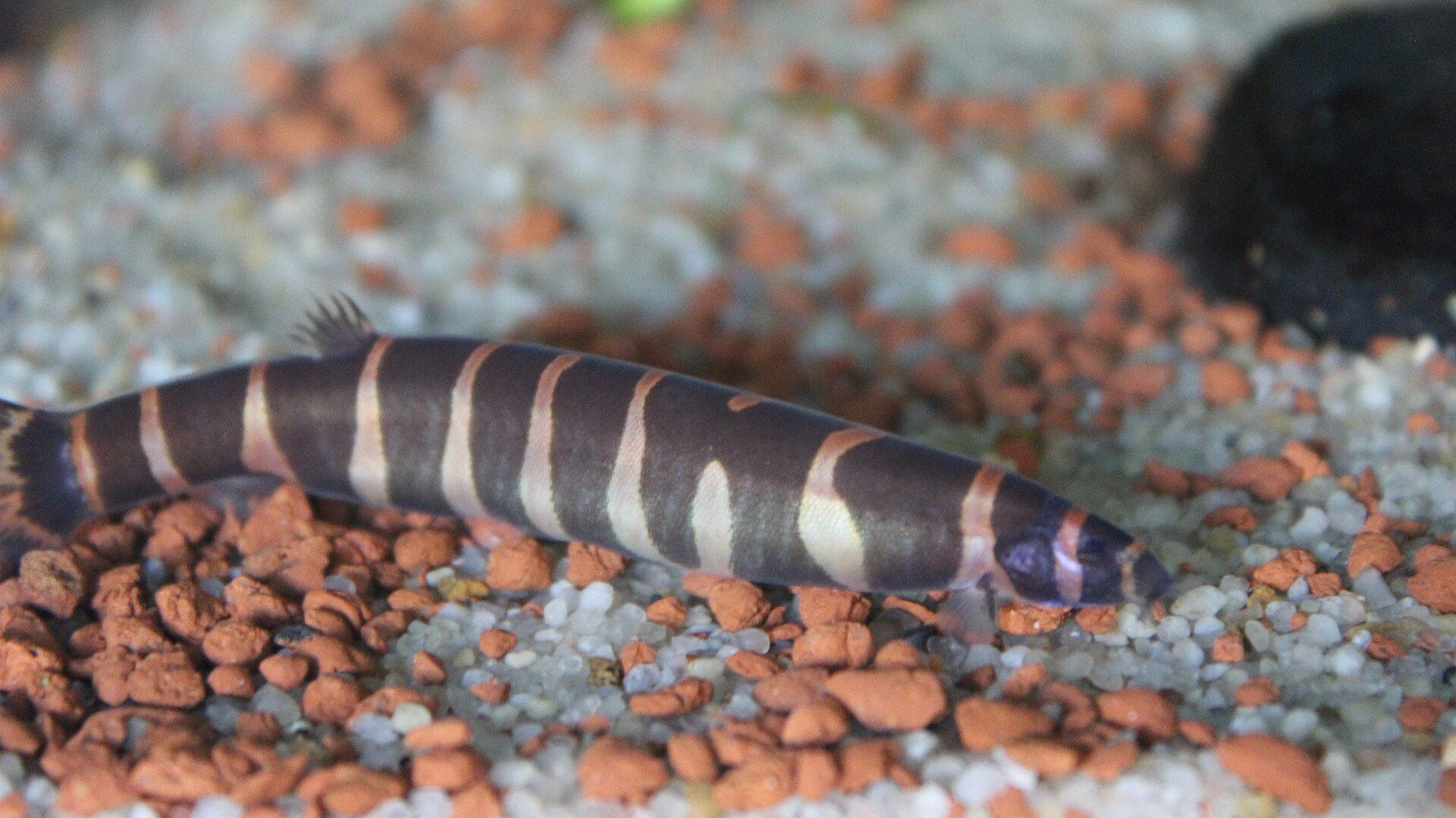
Kuhli loaches are Aquarium Co-Op’s first pick, because they’re nocturnal and hide in groups by day, then come out when the betta sleeps. It says they suit even aggressive bettas 2. Seriously Fish adds the practical bits. They reach 3.9 inches, want at least 5 or 6 together and a 24 × 12 inch base, dig into soft sand, jump, and can squeeze into filter intakes, so use a tight lid and cover the intake 8. It also notes that the loach sold as “kuhli” is often a different Pangio species than the one with that name 8.
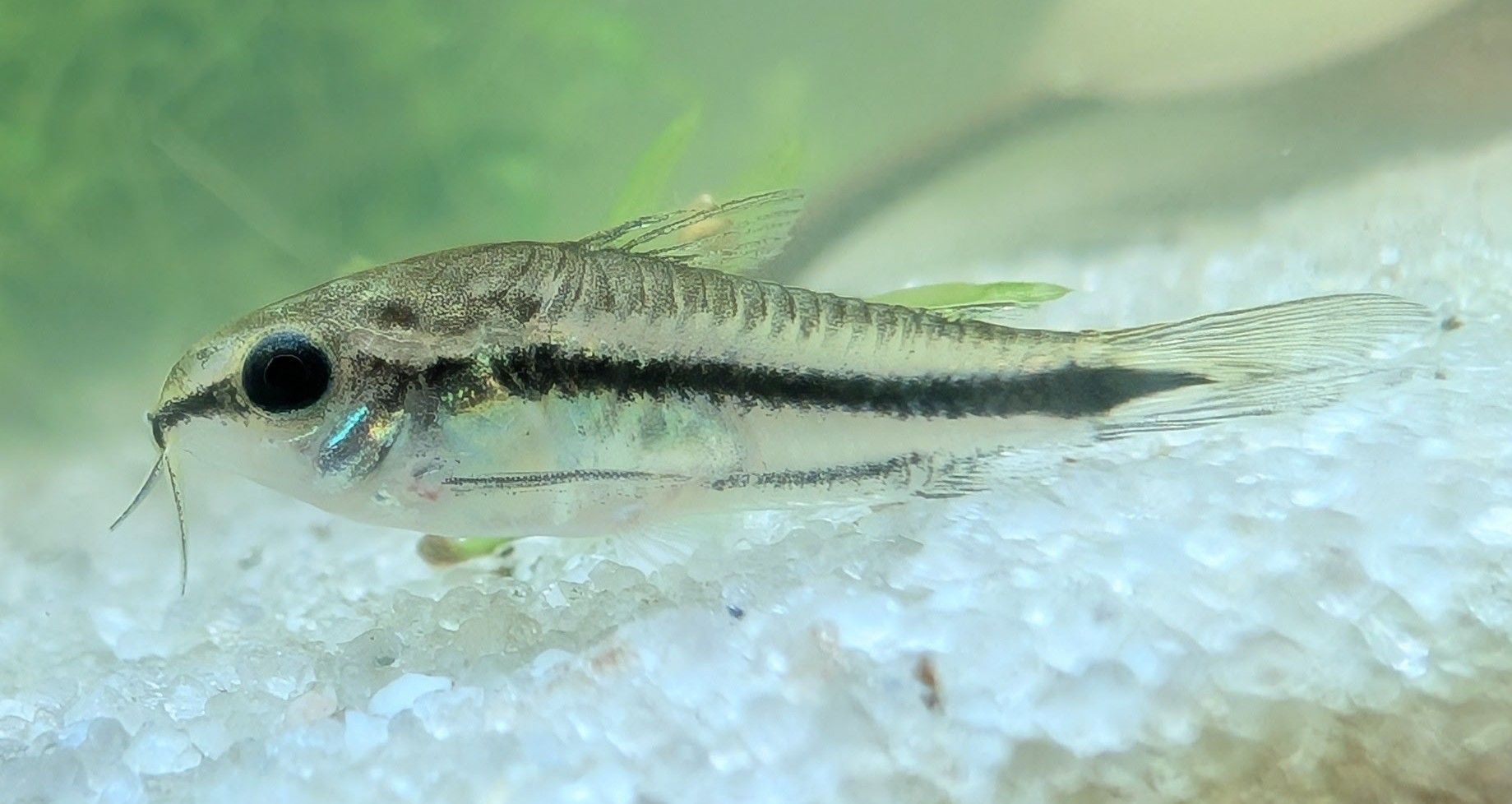
Corydoras are the most common success story in the thread we read. Aqueon, PetMD and Aquarium Co-Op all list them 3,5,2. Co-Op says to keep three to six of one species 2. The pygmy cory suits a betta tank in size, at about 1.2 inches. Seriously Fish says it’s very peaceful but easily intimidated by larger tank mates, wants a group of at least six (ten or more preferred) and does best with other tiny species 6. A betta is more than twice its length, so that warning counts here.
Feed both on purpose. Co-Op names community pellets, gel food, frozen bloodworms and live blackworms for kuhlis, and says corys need a variety of sinking foods to get enough 2.
Small schoolers
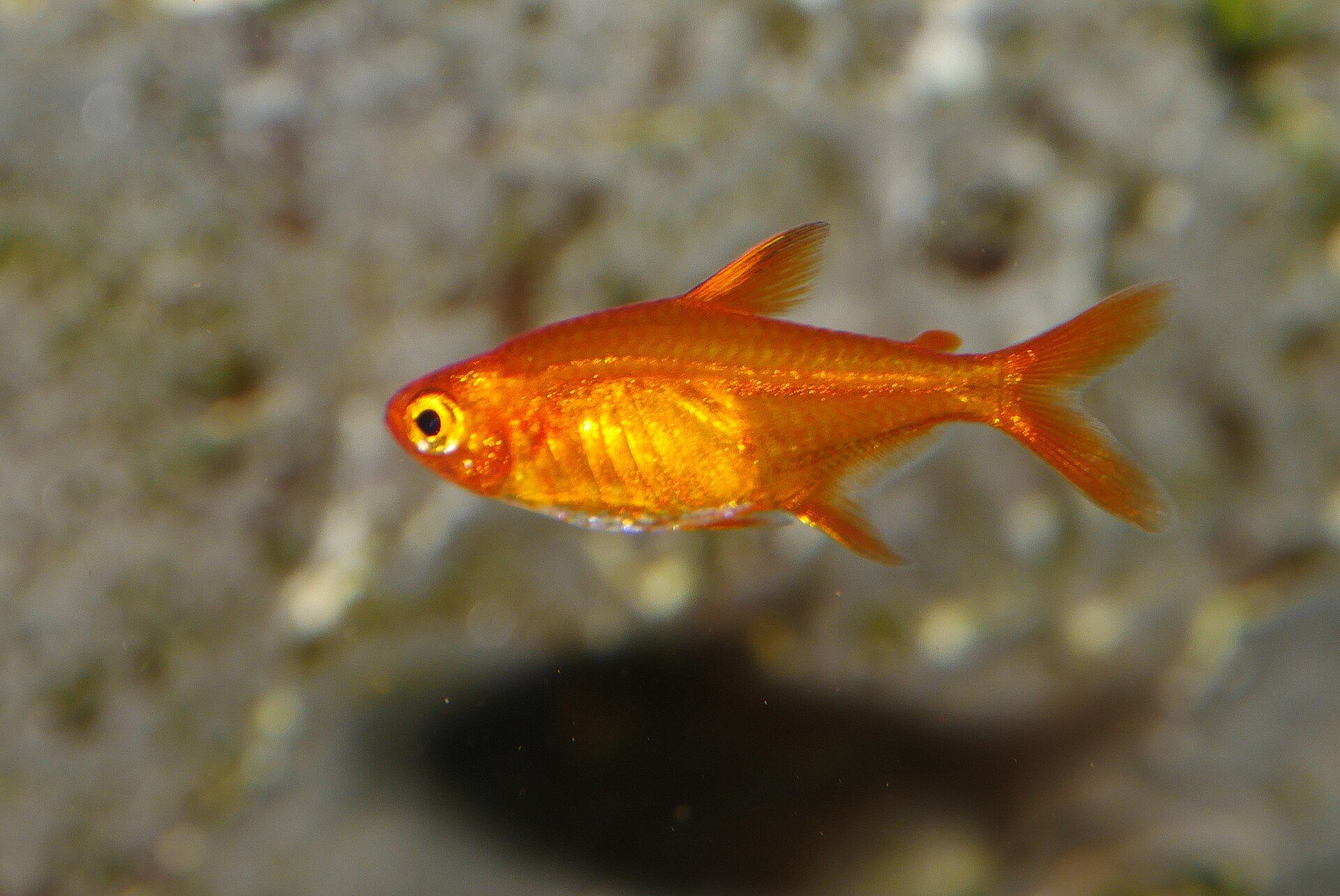
Ember tetras are the schooler Aquarium Co-Op picks, in a tank of 10 gallons or more, with five or six at least so the betta can’t single one out 2. Seriously Fish says 8 to 10 7. We’d go with the higher number. FishLore member Fanatic’s short list for a betta tank is ember tetras, chili rasboras, glowlight tetras, or possibly harlequins 12.
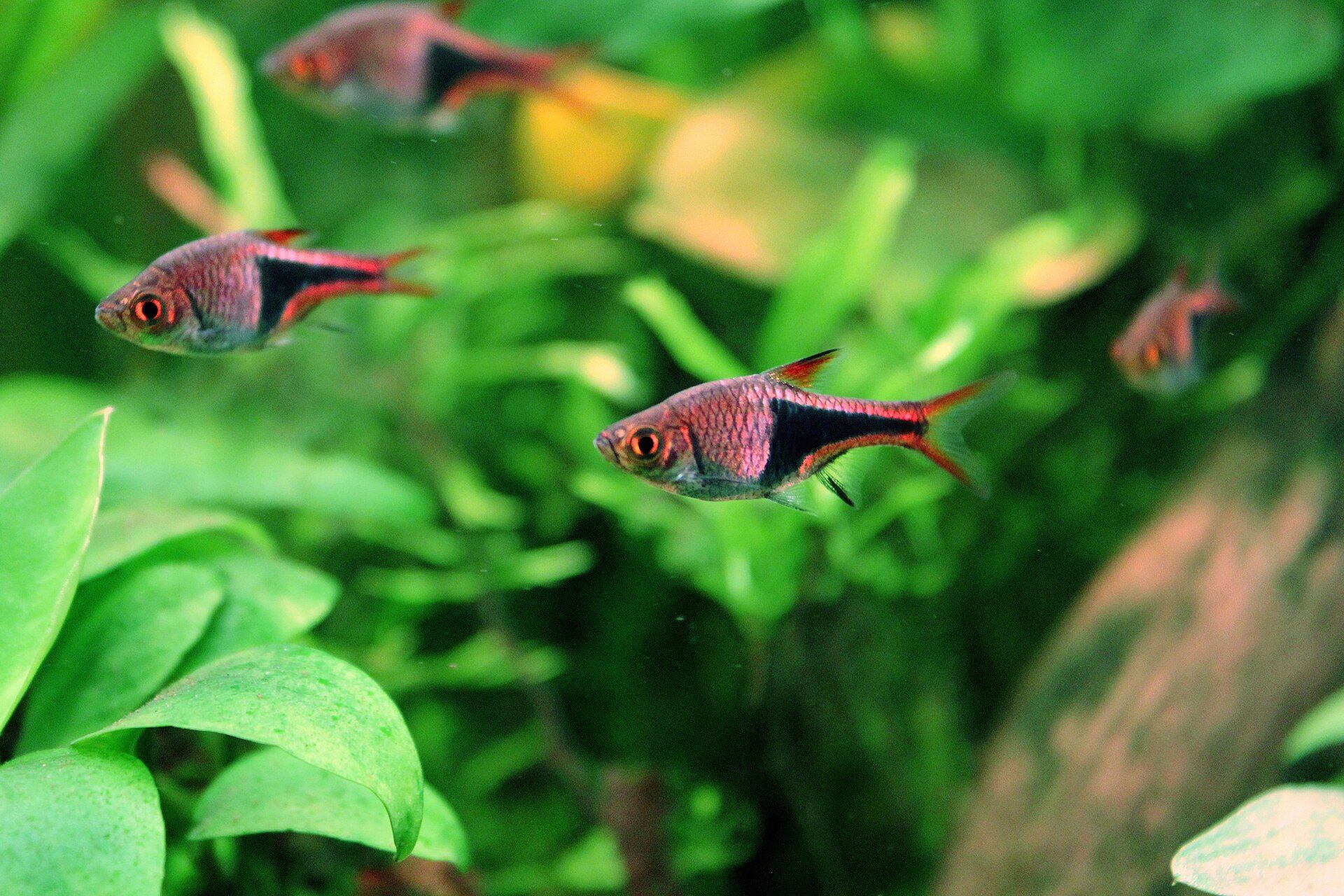
Harlequin rasboras are peaceful and don’t dominate mealtimes. Co-Op says the betta may chase them without success, which it counts as exercise. It wants at least six 2. Seriously Fish says 8 to 10, and its harlequin page was last revised in 2012 9. Co-Op’s other pick is the lampchop rasbora 2.
Snails
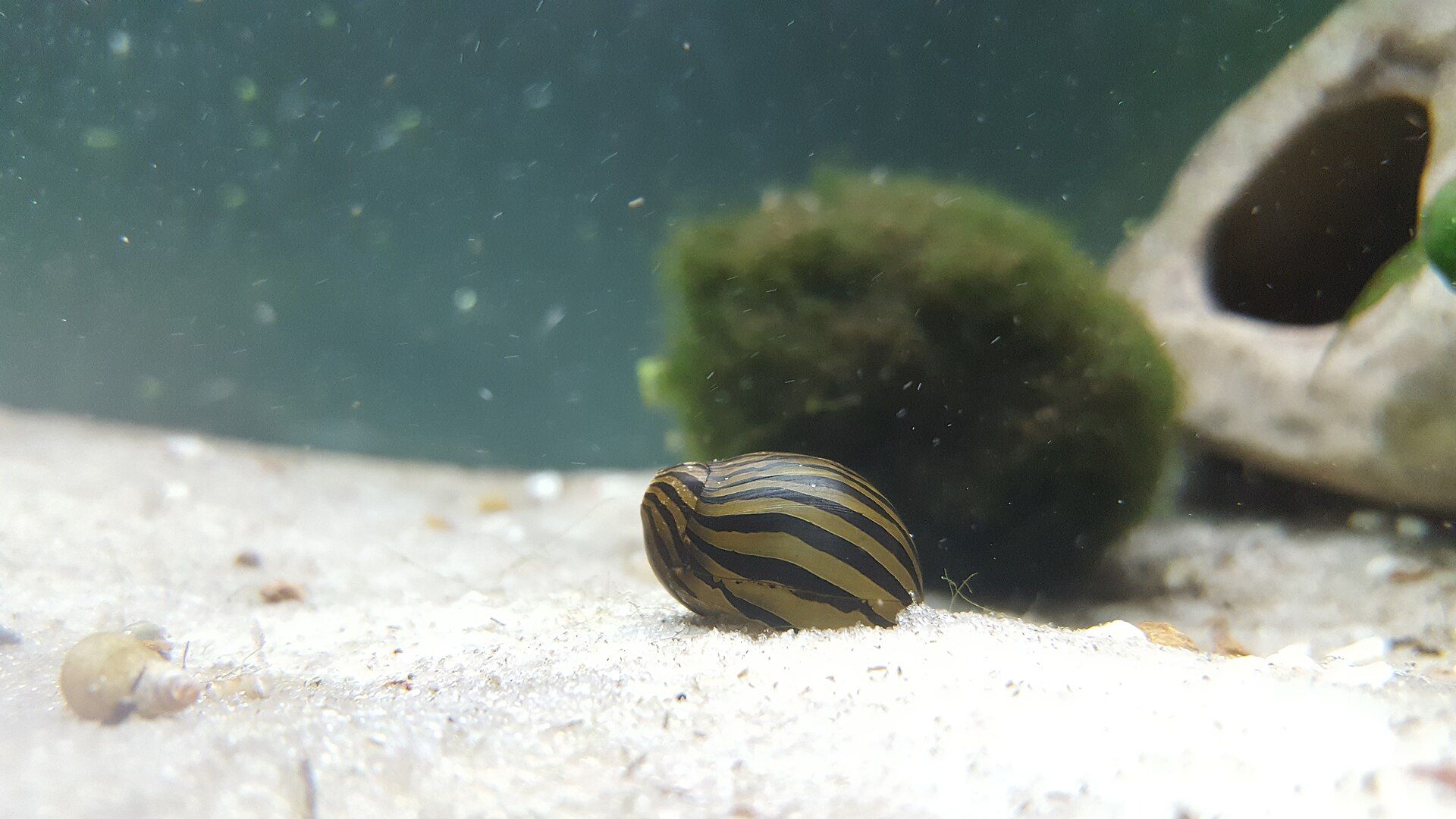
Nerite snails are the ones that keep working in the thread. greengoddess keeps two with a male in a 10 gallon, and says any snail with long eye tentacles got blinded by the male and female bettas she tried 12. Aquarium Co-Op’s betta guide prefers Malaysian trumpet snails over mystery snails, because mystery snails feed in daylight and their long antennae may look like worms 2.
Split decisions
Neon tetras. Fanatic says no, because neons want cooler water than bettas. Another member keeps both at 78 °F. Fanatic replied that neons are best below 78 °F, and that plenty of people swear they’re fine 12. The numbers back the worry a little: Seriously Fish’s range tops out at 77 °F 10, so the shared window is one degree wide. We’d pick an ember instead.
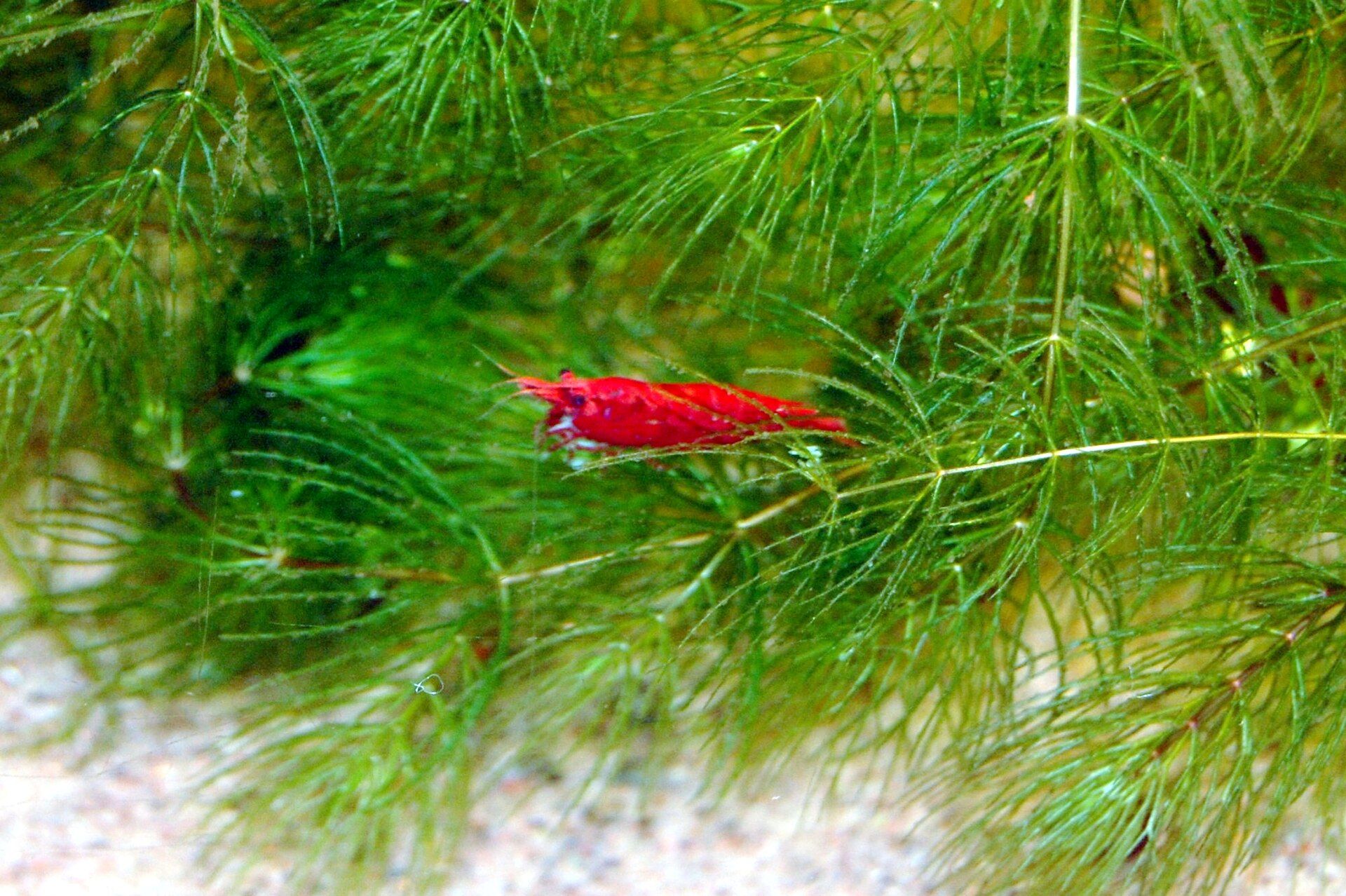
Shrimp. Aquarium Co-Op’s shrimp guide lists bettas among the small meat-eating fish that tend to go after shrimp 11. Forum experience is mixed. greengoddess keeps cherry shrimp with her male. Cazrea’s aggressive male cleared feeder shrimp in a day or two, while another of her bettas shares a heavily planted 35 gallon with red cherry shrimp and their babies and hasn’t been seen eating them 12. Ghost shrimp are the pick both the Illinois vet and PetMD name 4,5, yet Jacquilynn’s died off (she blames herself) and the last one went missing after three weeks 12. We’d treat shrimp as snacks until a betta proves otherwise.
African dwarf frogs. The Illinois vet lists them, with the bigger tank and stronger filter 4. Jacquilynn says she’s heard both sides, good tank mate and betta-eater 12. We’d skip them.
Guppies. Aqueon lists livebearers as suitable 3. Seriously Fish warns that a male betta may treat long, trailing fins as rivals 1. In the thread, CanadianFishFan’s female bettas nipped her guppies, and Cazrea’s aggressive male flared at guppies in a cup 12. If you try, take plain-tailed ones.
Skip these
- Fin-nippers and busy fish. Tiger barbs are named by Aqueon and PetMD, giant danios by Aqueon 3,5.
- Male gouramis 3.
- Anything with long, trailing fins or an odd body shape, which a male may read as a rival 1. PetMD says the same about long-finned species 5.
- Another male betta. Males are territorial and fight, often fatally 4. Female groups are a separate project, and our care guide covers why we’d skip it the first time.
What hobbyists report
From the FishLore thread 12, paraphrased. None of it is proof, but it’s where the real variation shows.
- A betta in a 55 gallon with angelfish, tetras, corydoras, rainbows and catfish. Member dojafish says the male never liked the young rainbow sharks and chased them out of his corner. The betta was there longer than planned.
- A male in a heavily planted 35 gallon. Cazrea’s male lives with corydoras, guppies, red cherry shrimp and their babies. He follows the guppies and cories, and now and then pokes the shrimp. No aggression beyond that.
- A male in a 10 gallon with two nerites and cherry shrimp. greengoddess says they coexist peacefully. Her sorority tank holds neons and corydoras, kept at the low end of a betta’s heat range.
If it goes wrong
Have a spare tank or a divider ready before you add anything. That’s our advice, not a sourced figure. If the betta hounds or shreds a mate, pull the mate. FishLore members keep saying it comes down to the individual betta 12.
FAQ
Can a betta live with neon tetras? Some do. The heat is the catch: a neon’s range stops at 77 °F 10, and a betta wants 76 to 81 4. We’d use ember tetras.
Can bettas live with shrimp? Sometimes, usually in a heavily planted tank. Aquarium Co-Op lists bettas among fish that tend to hunt shrimp 11.
What’s the smallest tank for a betta with tank mates? Aqueon says 15 gallons 3. Aquarium Co-Op says 10 to 20 2.
Can I keep two male bettas together? No 4.
What’s the safest tank mate? Bottom dwellers like kuhli loaches and corydoras, and nerite snails, are the ones that come up as least trouble 2,12.
All the numbers, with sources
| What | Value | Type | Source |
|---|---|---|---|
| Betta water temperature, University of Illinois vet clinic | 76–81 °F (24–27 °C) | Stated by source | [4] |
| Community tank, Aqueon | 15 gal (57 L) or more | Stated by source | [3] |
| Tank for a betta with mates, Aquarium Co-Op | 10–20 gal (38–76 L), with cover and live plants | Stated by source | [2] |
| Betta tank size, PetMD (single betta) | 2.5 gal (9.5 L) minimum; 5–10 gal (19–38 L) ideal | Stated by source | [5] |
| Betta adult size, Seriously Fish | 2.8 in (70 mm) standard length | Stated by source | [1] |
| Kuhli loach temperature, size and base | 70–79 °F (21–26 °C); 3.9 in (100 mm); 24 × 12 in (60 × 30 cm) base | Stated by source | [8] |
| Pygmy cory temperature and group | 72–79 °F (22–26 °C); 6 minimum, 10 or more advised | Stated by source | [6] |
| Ember tetra temperature and group, Seriously Fish | 68–82 °F (20–28 °C); 8–10 | Stated by source | [7] |
| Ember tetra group, Aquarium Co-Op | at least 5 or 6 | Stated by source | [2] |
| Harlequin rasbora temperature and group, Seriously Fish | 70–82 °F (21–28 °C); 8–10 (page last revised 2012) | Stated by source | [9] |
| Neon tetra temperature, Seriously Fish | 70–77 °F (21–25 °C) | Stated by source | [10] |
| Heat shared with a betta (76–81 °F): kuhli loach or pygmy cory | 76–79 °F (24–26 °C) | Our calculation | [4] |
| Heat shared with a betta (76–81 °F): neon tetra | 76–77 °F (24–25 °C) | Our calculation | [4] |
Sources
- Seriously Fish (2026). Betta splendens (Siamese Fighting Fish)
- Aquarium Co-Op (n.d.). 5 Best Tank Mates for Betta Fish
- Aqueon (n.d.). Betta Care Guide
- University of Illinois College of Veterinary Medicine (2019). Your Betta Needs More Than a Bowl
- PetMD (vet reviewed, Maria Zayas, DVM) (2026). Betta Fish Care Sheet
- Seriously Fish (2026). Gastrodermus pygmaeus (Pygmy Cory)
- Seriously Fish (2026). Hyphessobrycon amandae (Ember Tetra)
- Seriously Fish (2026). Pangio kuhlii (Kuhli Loach)
- Seriously Fish (2012). Trigonostigma heteromorpha (Harlequin Rasbora)
- Seriously Fish (2020). Paracheirodon innesi (Neon Tetra)
- Aquarium Co-Op (n.d.). Cherry Shrimp Tankmates
- FishLore Aquarium Forum (n.d.). Tell Me About Your Personal Success With Betta Tank Mates (forum thread, hobbyist experience)